HIP & Renovation
How Much Dust Does HIP Really Generate? What HDB Residents Report
10/5/2026 · EcoStorage Team
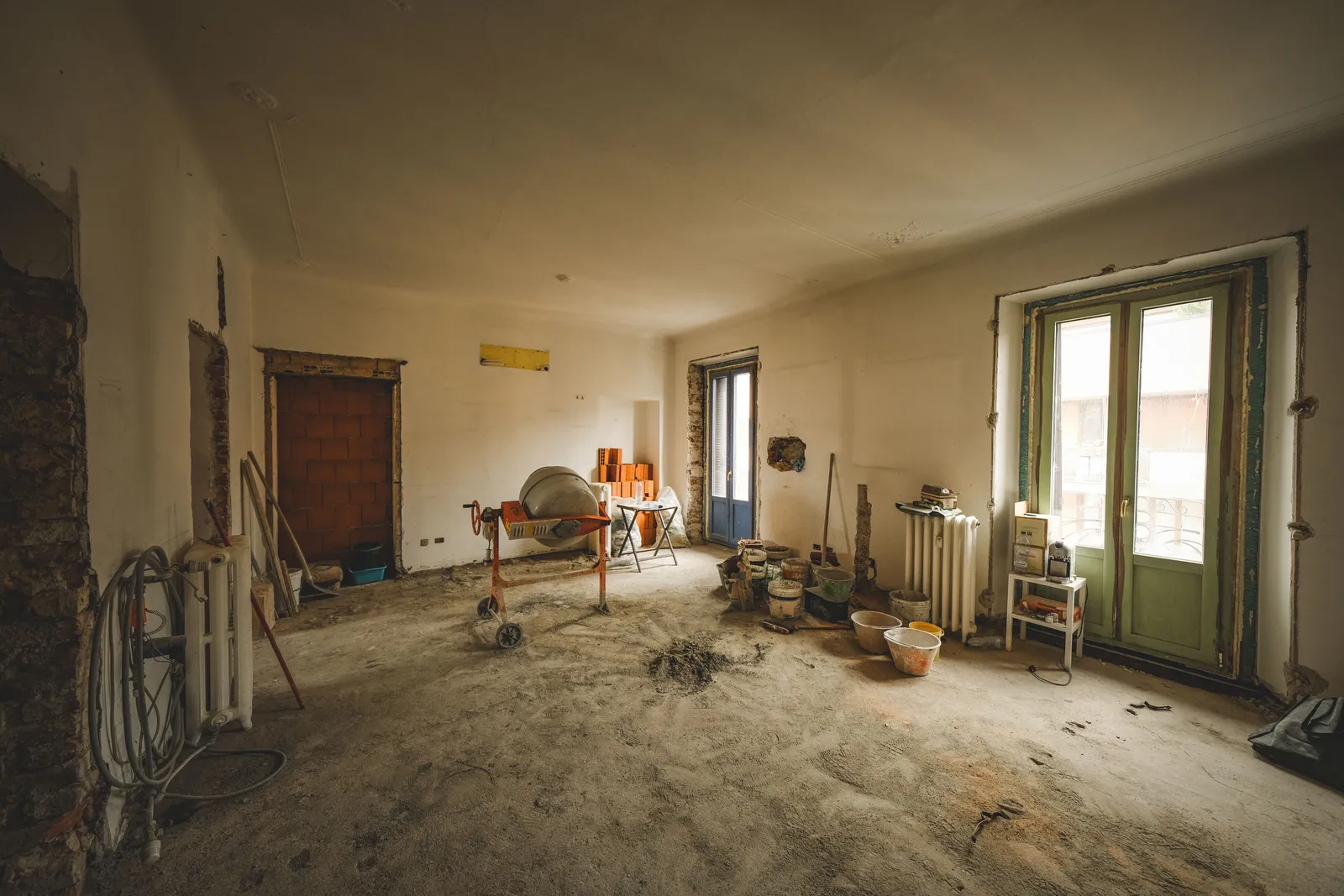
HDB's contractors take real steps to control dust, but residents who've been through HIP describe a mess those measures don't fully prevent. Here's what to actually expect.
HDB's contractors take real steps to control dust, but residents who've been through HIP describe a mess those measures don't fully prevent. Here's what to actually expect.
HDB's official measures are real: dust and noise screens go up before hacking, hacking tools come with dust extraction attachments and a smaller breaker, and contractors provide interim cleaning alongside protective plastic sheeting. On paper, that sounds like it should keep things manageable.
In practice, residents consistently report the first one to two days of hacking work as the dustiest stretch by far. Several describe it plainly: dusty for the first couple of days specifically, the rest of the works period noticeably calmer. One resident summed up the peak of it as making the whole house "dusty like fog."
Fine concrete dust is the main culprit, finer than ordinary household dust, and residents describe it working into every gap and crevice a space can have, in ways standard brooms or stick vacuums simply aren't built to capture. A cleaning service that specialises in post-HIP cleanups describes it as a heavy, gritty blanket of ultra-fine dust settling across furniture, window tracks, countertops, and electrical appliances, behaving differently from normal household grime and spreading further if it isn't handled systematically from the start.
The dust spreads further than the immediate work area. Residents report it settling throughout the unit, not just near the hacking site, and emphasise that if you have aircon, it's worth booking a professional servicing after HIP regardless of how clean things look, since fine dust works into the system in ways that aren't always visible.
Contractor cleanup tends to cover the direct work path, the floor near the toilet, the route the crew actually walked, rather than the whole flat. Residents commonly report needing two to three additional days of their own cleaning once the contractors finish, with some specifically noting the kitchen and living room needed repeated mopping and a full pass over furniture surfaces afterward.
Dust severity also varies by where your unit sits in the block. Ground-floor and corridor-facing units tend to see more dust from worker foot traffic moving materials in and out, while corner units generally fare better, worth keeping in mind if you're deciding how aggressively to prepare based on your unit's position.
HIP dust is a real, if temporary, disruption. Treating the contractor's own measures as the full solution tends to leave residents cleaning up more than they expected, preparation on your end matters just as much.