HIP & Renovation
HIP Timeline: What to Expect Week by Week in Your Unit
10/5/2026 · EcoStorage Team
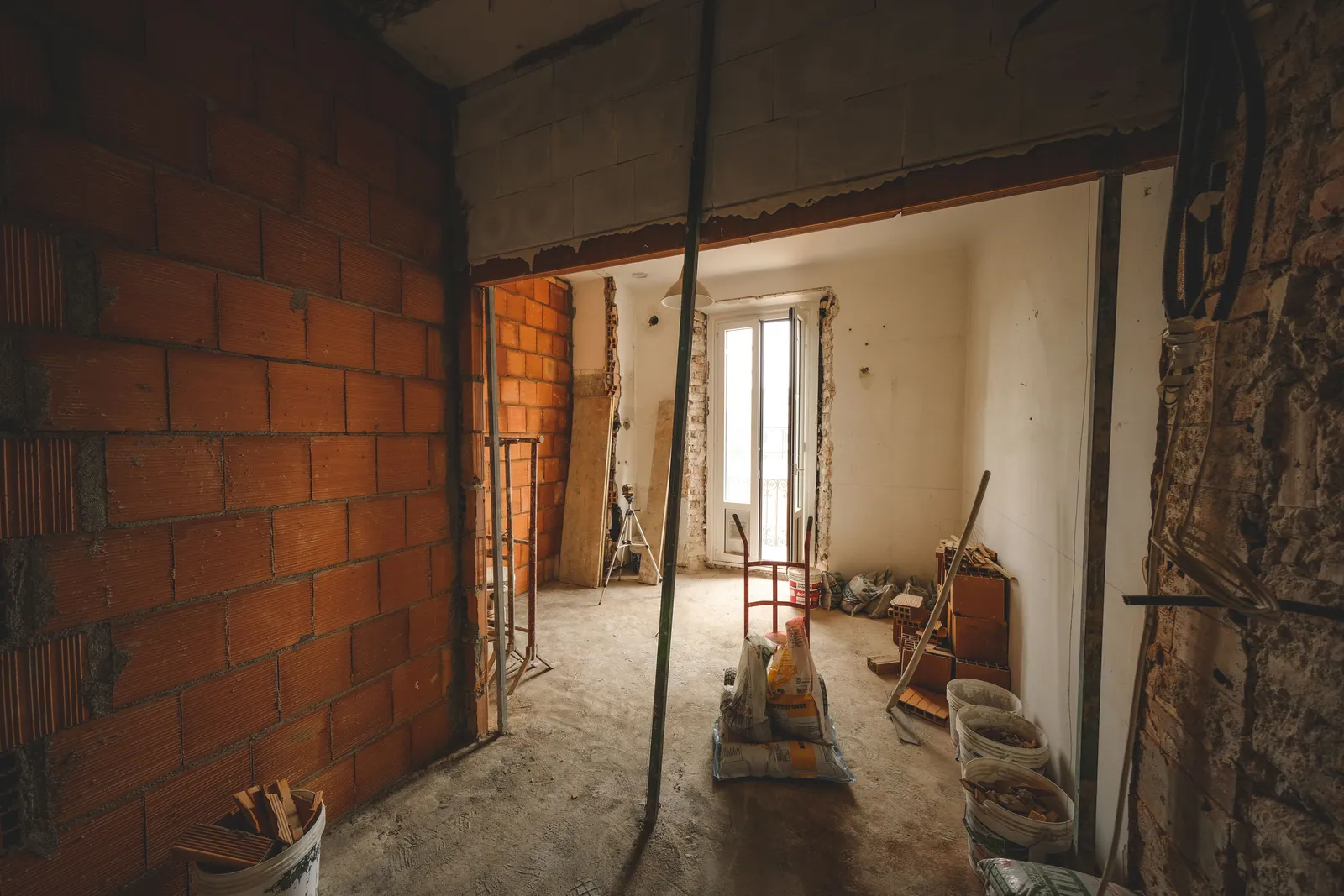
HIP works don't stay equally disruptive the whole way through. Knowing which phase is dustiest helps you time your own preparations.
HIP works for an individual unit typically span several weeks, though the exact schedule depends on scope, Essential works only versus Optional add-ons, and your block's contractor batch schedule.
The early phase covers hacking and structural work: spalling concrete repairs and stack replacement. This is the dustiest stretch by a wide margin, and residents consistently report the first few days specifically, often just the first one to two, as the peak disruption period, with the rest of the works period noticeably calmer by comparison.
Cement and screed work follows once hacking finishes. Dust tapers off noticeably during this phase but doesn't disappear entirely, and noise remains a factor as work continues, since cement mixing and surface finishing are still active, if less dust-intensive, processes.
Finishing works, fittings, fixtures, and EASE installations if you've selected them, generate comparatively little dust and noise compared to the early structural phase. By this point most residents report the worst of the disruption is behind them, with remaining work closer to a normal light renovation than the hacking-phase upheaval.
Throughout the process, HDB sets up shared toilets at the void deck for use during working hours, with a portable unit, including a heated shower, installed in your flat after hours, plus air-conditioned rest areas at the void deck for residents displaced during the day. These facilities run for the duration of the works, not just the dustiest early phase.
Expect the full handover, including contractor cleanup of the direct work path, to come at the very end of the schedule. This is also typically when residents do their own deeper clean, since even good protection during the hacking phase usually leaves some residual dust that only becomes fully apparent once furniture is moved back into place and plastic sheeting comes down for good.
The practical takeaway: concentrate your furniture protection or storage efforts around the early hacking phase specifically, rather than treating the entire HIP period as uniformly disruptive. Budgeting extra cleaning time at the very end, once everything is finished, is the other bracket worth planning for.