HIP & Renovation
Why DIY Plastic Covering Often Fails During HIP (And What Works Instead)
10/5/2026 · EcoStorage Team
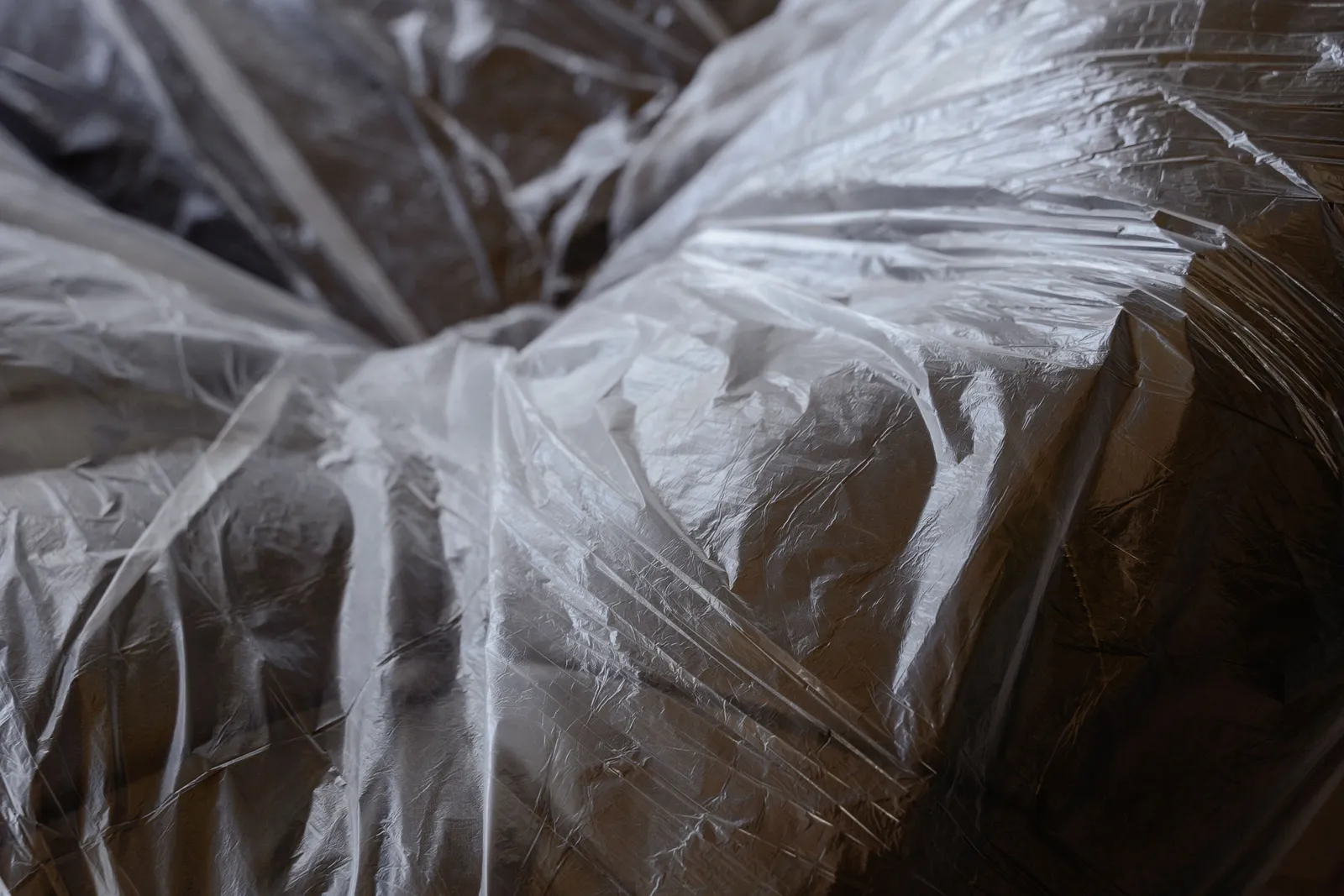
Wrapping furniture in plastic sheeting sounds simple. In practice, incomplete seals are one of the most common regrets HDB residents report after HIP.
Covering furniture with plastic sheeting is the most common way households prepare for HIP, and done properly, it genuinely works. The trouble is in the word "properly."
Gaps at seams, the ceiling line, and the floor let fine dust in regardless of how much plastic you've used. Draping a sheet loosely over a sofa looks like protection, but if it isn't sealed at every edge, the result ends up barely different from no covering at all once hacking starts. One resident described seeing exactly this happen at a family member's home: improperly taped plastic covers left furniture with what they described as a full inch of dust on top, despite looking covered.
Contractor access adds another failure point. Protective plastic sometimes has to come down mid-works so the crew can reach pipes or fixtures near where it's sealed, and that opening doesn't always get patched afterward. One resident spent a full night carefully sealing their unit, only for the HIP contractor to tear the plastic open the next day to reach furniture too close to the toilet door, and never patched it back up, undoing a night's careful work and letting dust spread through the whole unit regardless.
What actually works, according to residents who got through HIP with minimal cleanup: seal from ceiling to floor rather than just draping sheets over furniture, tape every seam instead of relying on the plastic's own weight to hold position, and wet-mop daily during the hacking phase rather than waiting until the works finish to clean. One resident who sealed up virtually the entire home this way, combined with daily wet-mopping, had a dramatically easier time than neighbours who simply wrapped furniture without sealing every edge, whose homes saw dust swirling constantly throughout the works period.
The difference in outcomes is stark enough that residents consistently frame it as a time investment, not just a cleanliness one. As several put it: good protection means barely needing to clean afterward at all, while a half-sealed job means spending real time both fixing gaps that failed during the works and doing a much heavier clean once they're done.
Residents who DIY the covering without this level of care often spend more time rectifying gaps and cleaning afterward than if they'd planned the protection properly from the start, or simply moved the most vulnerable items out of the space. One resident who tried a quick DIY approach put it directly: parts of the covering fell during the works, and they ended up spending more time fixing and cleaning than if they'd done it properly, or not bothered at all and just cleaned once at the end.
For anything genuinely valuable or hard to clean once dust works into it, moving it out of the dust zone for the hacking period removes the risk entirely instead of managing it in place.